Archives
- 2026-09
- 2026-08
- 2026-07
- 2026-06
- 2026-05
- 2026-04
- 2026-03
- 2026-02
- 2026-01
- 2025-12
- 2025-11
- 2025-10
- 2025-09
- 2025-03
- 2025-02
- 2025-01
- 2024-12
- 2024-11
- 2024-10
- 2024-09
- 2024-08
- 2024-07
- 2024-06
- 2024-05
- 2024-04
- 2024-03
- 2024-02
- 2024-01
- 2023-12
- 2023-11
- 2023-10
- 2023-09
- 2023-08
- 2023-07
- 2023-06
- 2023-05
- 2023-04
- 2023-03
- 2023-02
- 2023-01
- 2022-12
- 2022-11
- 2022-10
- 2022-09
- 2022-08
- 2022-07
- 2022-06
- 2022-05
- 2022-04
- 2022-03
- 2022-02
- 2022-01
-
br Material and methods br Acknowledgements and funding The
2022-01-03
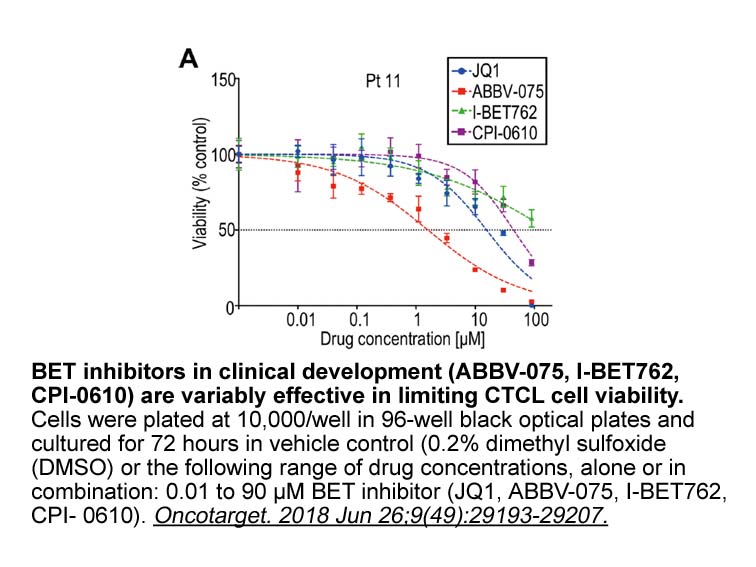
Material and methods Acknowledgements and funding The authors thank Katharina Elsässer for technical support and Emma Esser for careful editing of the manuscript. We also thank Marcus Conrad for providing Liproxstatin-1 and advisory comments and discussion on the manuscript. This work was part
-
Last we demonstrate that the role of EZH as a
2022-01-03
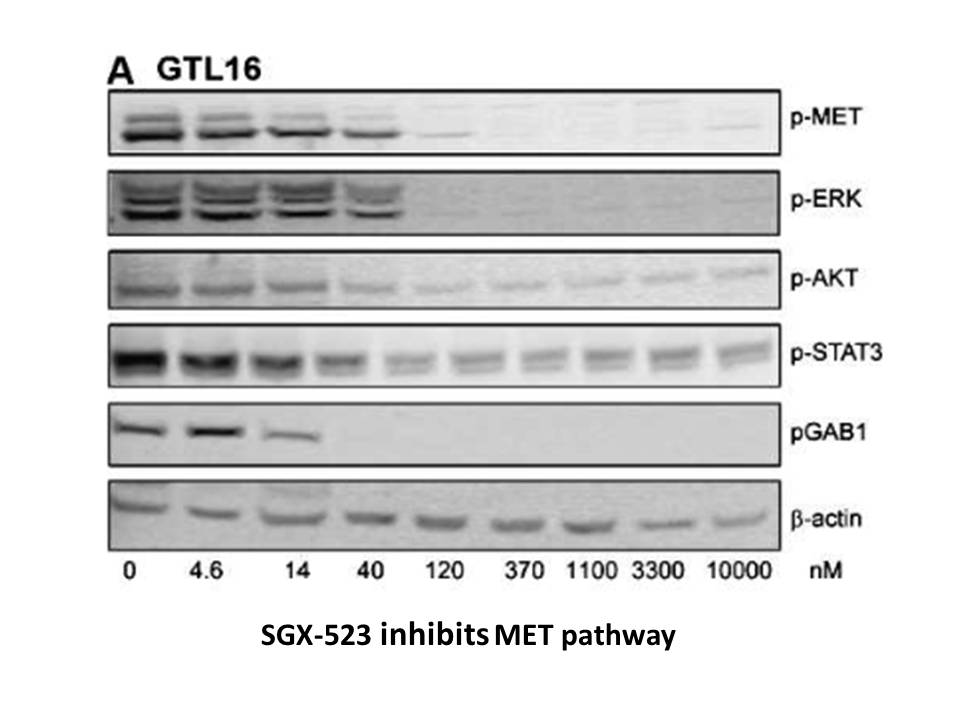
Last, we demonstrate that the role of EZH2 as a transcriptional activator, with AR being a key target, coexists with its conventional catalytic role in gene repression and plays important oncogenic functions in AR-driven PCa (Figure 7F). Enzymatic EZH2 inhibitors such as EPZ and GSK126, although eff
-
AMG-458 receptor Although oxidative stress induces a
2022-01-03
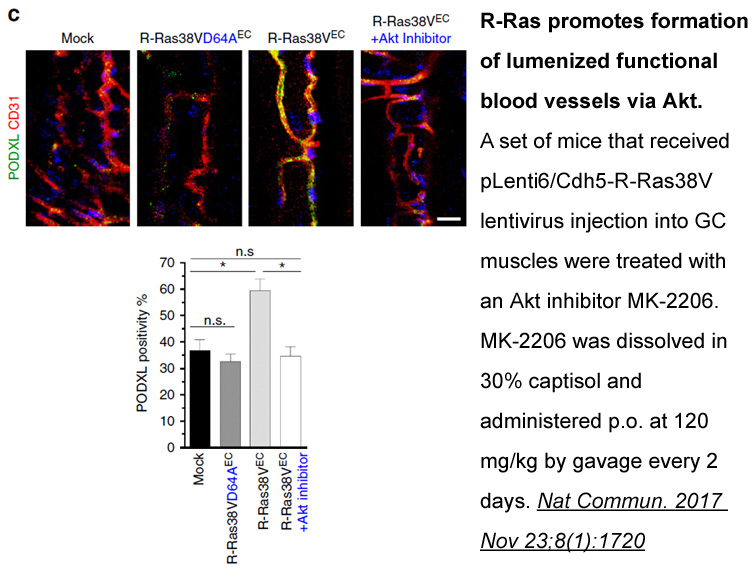
Although oxidative stress induces a decrease in intracellular ATP level, the underlying mechanism is obscured. We hypothesized that oxidative stress induced by H2O2 could decrease astrocytes ATP level through lysosome exocytosis in Ca2+-dependent pattern. In present study, using H2O2 stimulation to
-
br Materials and methods br Results br Discussion The
2022-01-03
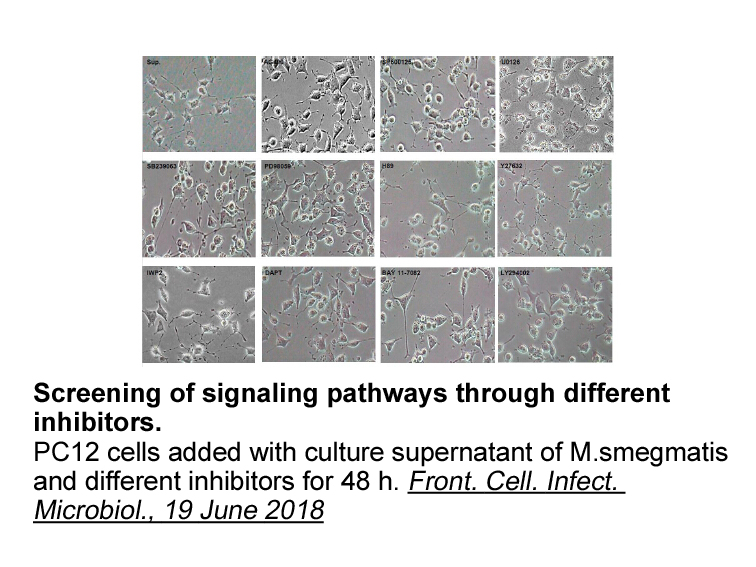
Materials and methods Results Discussion The innate immune system plays an important role in protecting against IAV infections. However, the virus has the ability of escaping the innate immune system. Activating or enhancing an innate immune response before or during a viral infection will
8044 records 537/537 page Previous First page 上5页 536537