Archives
- 2026-08
- 2026-07
- 2026-06
- 2026-05
- 2026-04
- 2026-03
- 2026-02
- 2026-01
- 2025-12
- 2025-11
- 2025-10
- 2025-09
- 2025-03
- 2025-02
- 2025-01
- 2024-12
- 2024-11
- 2024-10
- 2024-09
- 2024-08
- 2024-07
- 2024-06
- 2024-05
- 2024-04
- 2024-03
- 2024-02
- 2024-01
- 2023-12
- 2023-11
- 2023-10
- 2023-09
- 2023-08
- 2023-07
- 2023-06
- 2023-05
- 2023-04
- 2023-03
- 2023-02
- 2023-01
- 2022-12
- 2022-11
- 2022-10
- 2022-09
- 2022-08
- 2022-07
- 2022-06
- 2022-05
- 2022-04
- 2022-03
- 2022-02
- 2022-01
- 2021-12
- 2021-11
- 2021-10
- 2021-09
- 2021-08
- 2021-07
- 2021-06
- 2021-05
- 2021-04
- 2021-03
- 2021-02
- 2021-01
- 2020-12
- 2020-11
- 2020-10
- 2020-09
- 2020-08
- 2020-07
- 2020-06
- 2020-05
- 2020-04
- 2020-03
- 2020-02
- 2020-01
- 2019-12
- 2019-11
- 2019-10
- 2019-09
- 2019-08
- 2019-07
- 2019-06
- 2019-05
- 2019-04
- 2018-11
- 2018-10
- 2018-07
-
The radial distribution function is given by
2021-08-10
The radial distribution function, , is given by: For pure components and pseudo-components, the constants a and b are calculated as:whereand Tc, Pc and ω are the critical temperature, critical pressure and acentric factor, respectively. Parameters a and b for mixtures are calculated from those of
-
Animal studies investigating the role of D dopamine
2021-08-10
Animal studies investigating the role of D1 dopamine receptors in the PFC have focused on delayed response tasks, which require online maintenance of a previously presented stimulus. Striatal dopamine is thought to be important for flexibility and updating goal representations when new information i
-
The present study is the first time to investigate
2021-08-10
The present study is the first time to investigate the effect of piperine on intestinal sterol transporters and enzymes in the small intestine. NPC1L1 is a sterol transporter responsible for taking up cholesterol from the lumen to enterocytes (Davis et al., 2004). ACAT2 is an enzyme, which esterifie
-
br Materials and methods br Results and discussion br
2021-08-10
Materials and methods Results and discussion Conclusions Acknowledgments This work was supported by the National Research Foundation of Korea (NRF) grant funded by the Korean government (MEST) (No. 2011-0030635) and the MarineBio Research Program (NRF-C1ABA001-2011-0018561). The Fonta
-
In Murray Darling rainbowfish confirming the expected in
2021-08-10
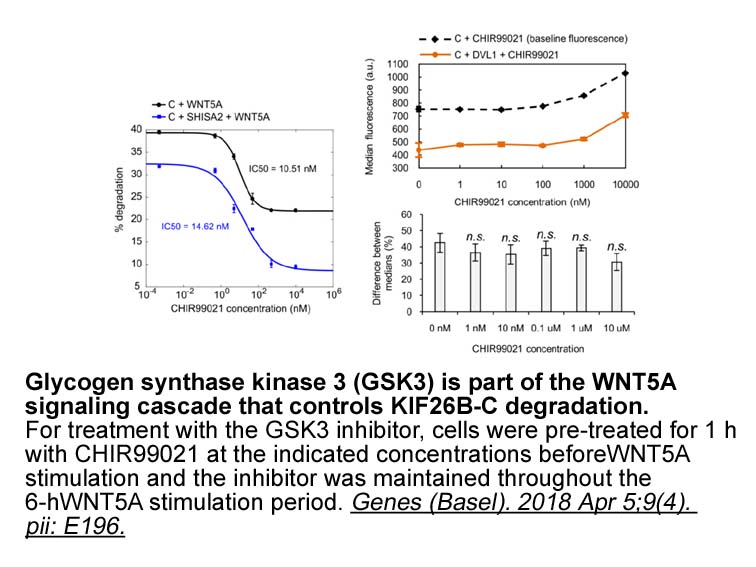
In Murray–Darling rainbowfish, confirming the expected in vivo effects of androgenic progestins could be achieved using short-term exposures and determining expression profiles for androgen-responsive genes, or in longer term exposures by monitoring fecundity or the development of male secondary sex
-
casein kinase br Materials and methods br Results
2021-08-10
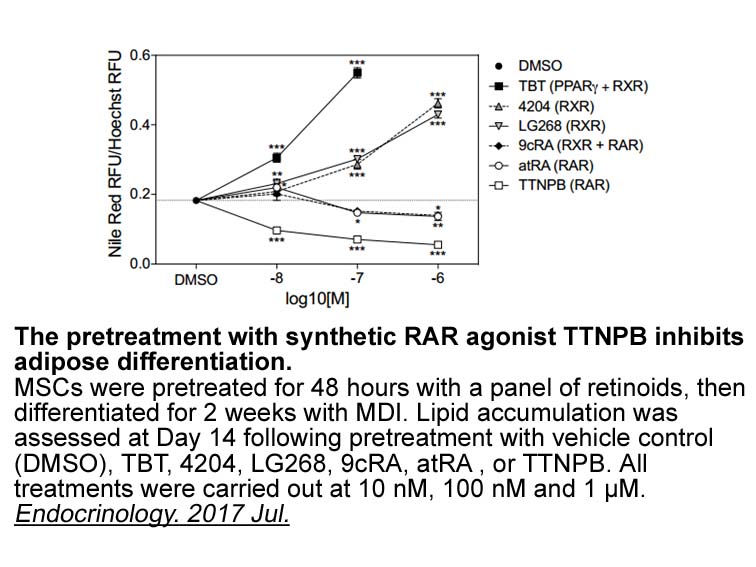
Materials and methods Results Discussion We have evaluated the breast cancer prevention potential of PR blockade under conditions that included exposure to progestogens that are relevant to women (progesterone and MPA) and are known to differ in their receptor-binding and down-stream effect
-
First of all two assumptions just as
2021-08-10
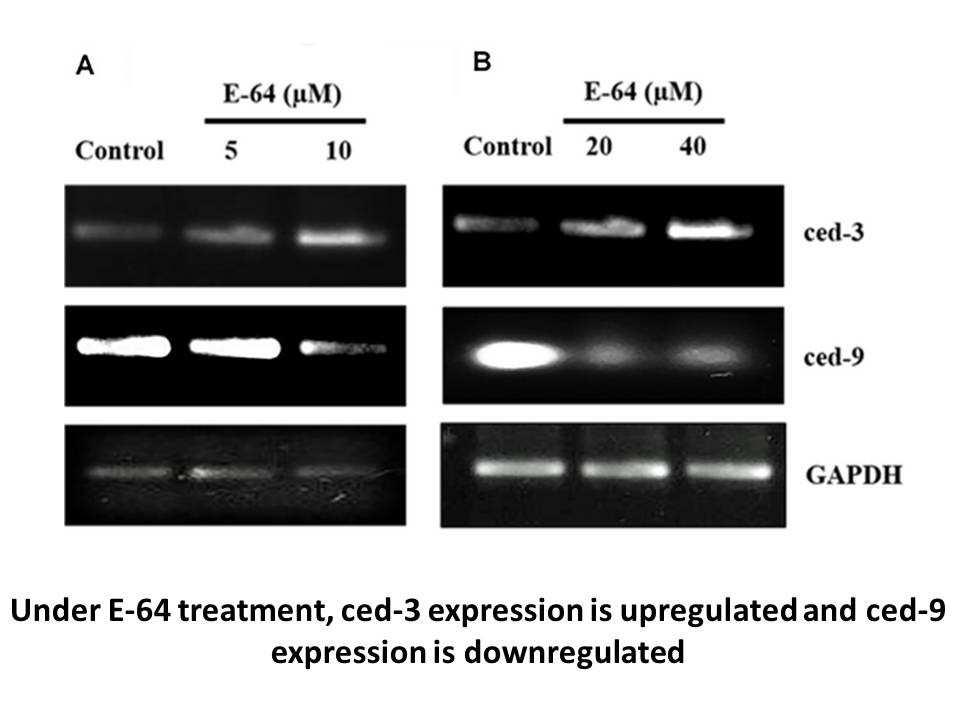
First of all, two assumptions just as in Ref. [30] are need to simplify the penetration process: (1) The crater phases is short and the Phosphate Colorimetric Assay Kit receptor of EFP is consumed little; thus, the influence of crater on penetration can be ignored; (2) the initial stagnation radial
-
The role of Epac in the regulation of
2021-08-10
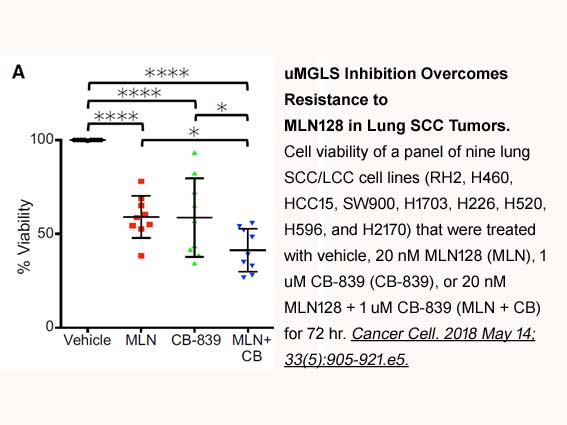
The role of Epac in the regulation of intracellular Ca homeostasis and contractility is still matter of debate. In rat adult cardiomyocytes, acute Epac stimulation decreased the amplitude of Ca transients [6], [9], [10] with either no changes [6] or increments [9] in cell shortening, suggesting an e
-
The Wnt catenin signaling pathway is
2021-08-10
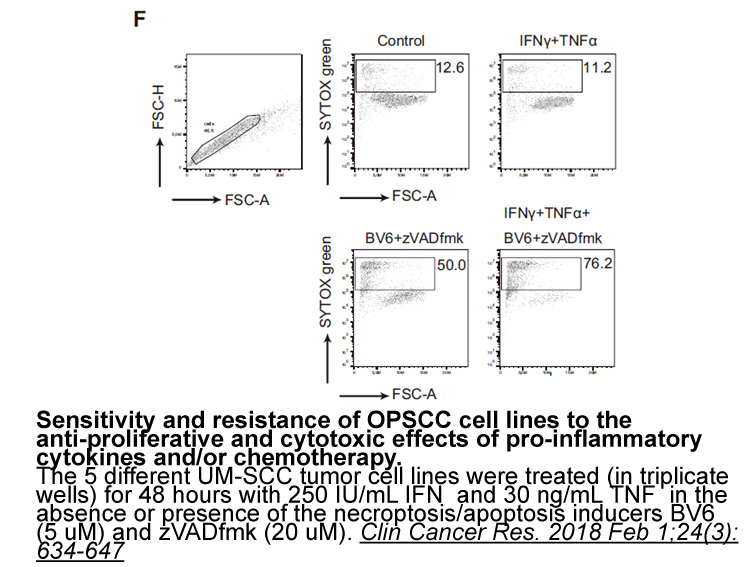
The Wnt/β-catenin signaling pathway is a downstream target of SOX9 and is involved in a variety of cellular responses, including cell migration, proliferation, and differentiation [14]. Several studies have identified the Wnt/β-catenin signaling pathway as essential for cartilage function, and it is
-
In this study we investigated whether the Ednra signaling is
2021-08-10
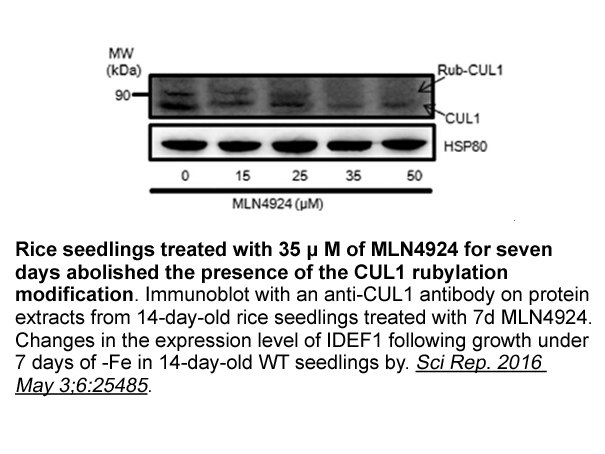
In this study, we investigated whether the Ednra signaling is involved in Hoxa9/Meis1-mediated leukemogenesis. We found an upregulation of Ednra in leukemic murine bone marrow (BM) C527 overexpressing Hoxa9 and Meis1 compared to cells overexpressing Hoxa9 alone. We showed that overexpression of Edn
-
From a mechanistic standpoint the BCL RD domain represses th
2021-08-09
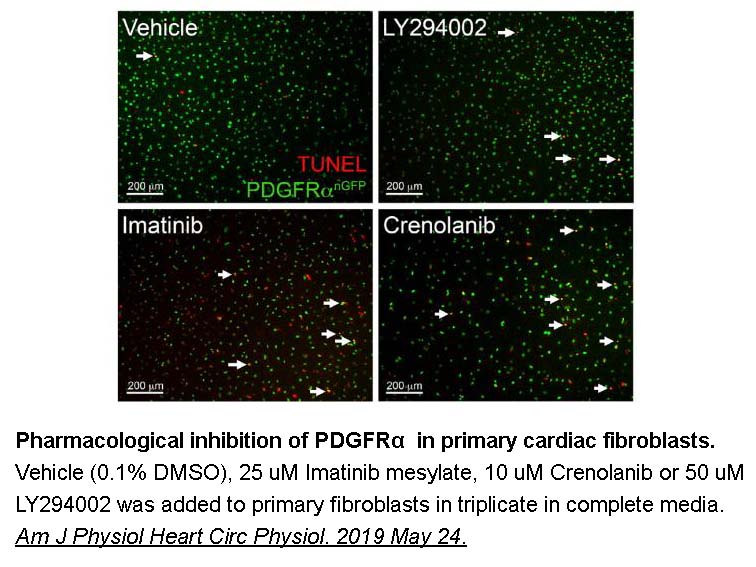
From a mechanistic standpoint, the BCL6 RD2 domain represses the GPR183 and S1PR1 loci by recruiting HDAC2, but not MTA3-NuRD, to suppress the enhancer activation mark H3K27ac at their distal regulatory elements. However, these data do not exclude the possibility that other as yet unknown corepresso
-
br Results br Discussion Our
2021-08-09
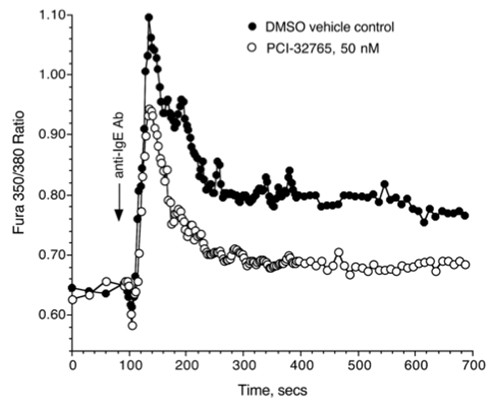
Results Discussion Our UbV library was originally designed to develop inhibitors of deubiquitinases (Ernst et al., 2013). Recently, we showed that UbVs could exhibit multiple binding modes and mechanisms to modulate HECT E3 activity (Zhang et al., 2016)—one set occupied the HECT domain E2-bind
-
We propose two different pathways for the production of this
2021-08-09
We propose two different pathways for the production of this species: either that described by Dooley [24], where the phenol ring is first activated by binding of its oxygen to copper, or one where a copper-peroxo species would directly react with an active site tyrosine residue (Scheme 1B). This se
-
Previous synthetic lethal screening efforts Cox et al have
2021-08-09
Previous synthetic lethal screening efforts (Cox et al., 2014) have mainly used RNAi as a means of identifying potential targets (Barbie et al., 2009, Kim et al., 2016, Luo et al., 2009, Scholl et al., 2009), although a few screens (Shaw et al., 2011, Steckel et al., 2012) have been performed with s
-
Collagen alignment can contribute to tissue stiffening Malik
2021-08-09
Collagen alignment can contribute to tissue stiffening (Malik et al., 2015, Paszek et al., 2005), and ECM stiffness in turn is a powerful activator of integrin function (Levental et al., 2009). These findings highlight the contribution of the mechanical properties of the ECM to signal transduction.
16338 records 622/1090 page Previous Next First page 上5页 621622623624625 下5页 Last page