Archives
- 2026-08
- 2026-07
- 2026-06
- 2026-05
- 2026-04
- 2026-03
- 2026-02
- 2026-01
- 2025-12
- 2025-11
- 2025-10
- 2025-09
- 2025-03
- 2025-02
- 2025-01
- 2024-12
- 2024-11
- 2024-10
- 2024-09
- 2024-08
- 2024-07
- 2024-06
- 2024-05
- 2024-04
- 2024-03
- 2024-02
- 2024-01
- 2023-12
- 2023-11
- 2023-10
- 2023-09
- 2023-08
- 2023-07
- 2023-06
- 2023-05
- 2023-04
- 2023-03
- 2023-02
- 2023-01
- 2022-12
- 2022-11
- 2022-10
- 2022-09
- 2022-08
- 2022-07
- 2022-06
- 2022-05
- 2022-04
- 2022-03
- 2022-02
- 2022-01
- 2021-12
- 2021-11
- 2021-10
- 2021-09
- 2021-08
- 2021-07
- 2021-06
- 2021-05
- 2021-04
- 2021-03
- 2021-02
- 2021-01
- 2020-12
- 2020-11
- 2020-10
- 2020-09
- 2020-08
- 2020-07
- 2020-06
- 2020-05
- 2020-04
- 2020-03
- 2020-02
- 2020-01
- 2019-12
- 2019-11
- 2019-10
- 2019-09
- 2019-08
- 2019-07
- 2019-06
- 2019-05
- 2019-04
- 2018-11
- 2018-10
- 2018-07
-
Following the discovery of diketo compounds S and L as
2021-12-02
Following the discovery of β-diketo compounds S-1360 [31] and L-731988 [32] as anti-HIV integrase inhibitors, a group of researchers discovered a potent BAY 80-6946 based derivative (1) as the inhibitor of HIV integrase functioning at the 3′-processing and strand transfer steps of HIV integrase. Bio
-
br Prostaglandins meet Hippo The prostaglandins
2021-12-02
Prostaglandins meet Hippo The prostaglandins lie at the crossroads between inflammation, regeneration and tumorigenesis (Figure 3). Prostaglandins are synthesized from archidonic 4 aminopyridine by Cox1 and Cox2 enzymes [40, 41] and in the gut, prostaglandin E2 (PGE2) protects against DSS-induce
-
The medicinal properties of guanidine derivatives
2021-12-02
The medicinal properties of guanidine derivatives are also of great interest due to their diverse anti-microbial, anti-inflammatory, anti-viral, and anti-cancer, activities (C and D). Guanidine-containing drugs, such as -iodobenzylguanidine and methylglyoxal bis(guanylhydrazone), were shown several
-
ARQ 621 HBV VL quantitation has been shown to be
2021-12-02
HBV VL quantitation has been shown to be affected by genotype/subtype, and varying degrees of positive and negative bias has been seen in previous comparison studies when analyzing across HBV genotypes. In studies comparing RealTime and Cobas for example, negative bias of ∼0.25 log10 was seen for ge
-
Of special interest is that riociguat and NO donors
2021-12-02
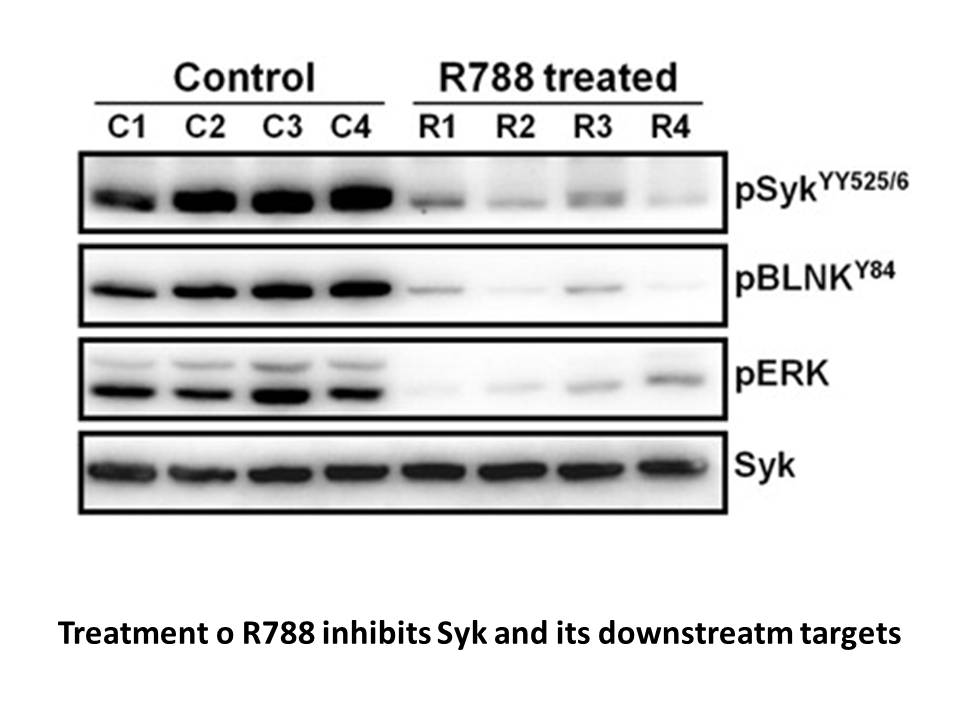
Of special interest is that riociguat and NO donors decreased the phosphorylation of many proteins in human platelets. This aspect is presently under further investigation but a few comments can be made already here. Of the extensive spectrum and diversity of human protein kinases and protein phosph
-
11-dUTP These and other observations presented
2021-12-02
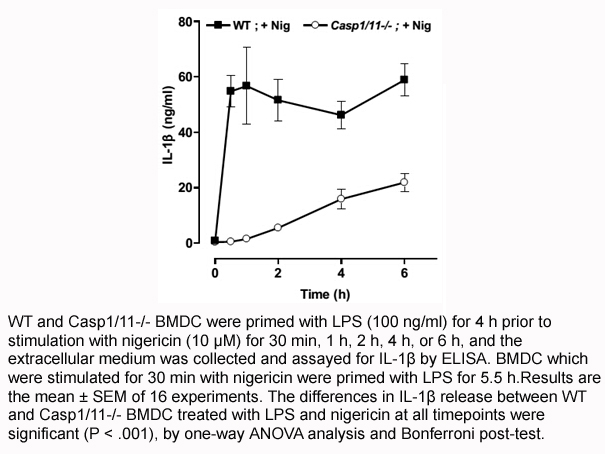
These and other observations presented in the elegant, rigorous study by Thomas et al. (2018) clarify a puzzling enigma regarding the Rab specificities of yeast TRAPP complexes and further highlight an important though under-appreciated role for the C-terminal HVD of Rabs in GEF substrate selection.
-
The kinetic data obtained from incubation of BAB
2021-12-02

The kinetic data obtained from incubation of 4BAB with GLO1 show that 4BAB does not completely inactivate the enzyme (Figs. 2A and S6a). At low concentrations (4.7 and 14.4μM), 4BAB seemed to follow biphasic kinetics (Fig. 2A); even though regardless of the concentration 4BAB, there was a plateau at
-
GK allosteric activators validate the
2021-12-01
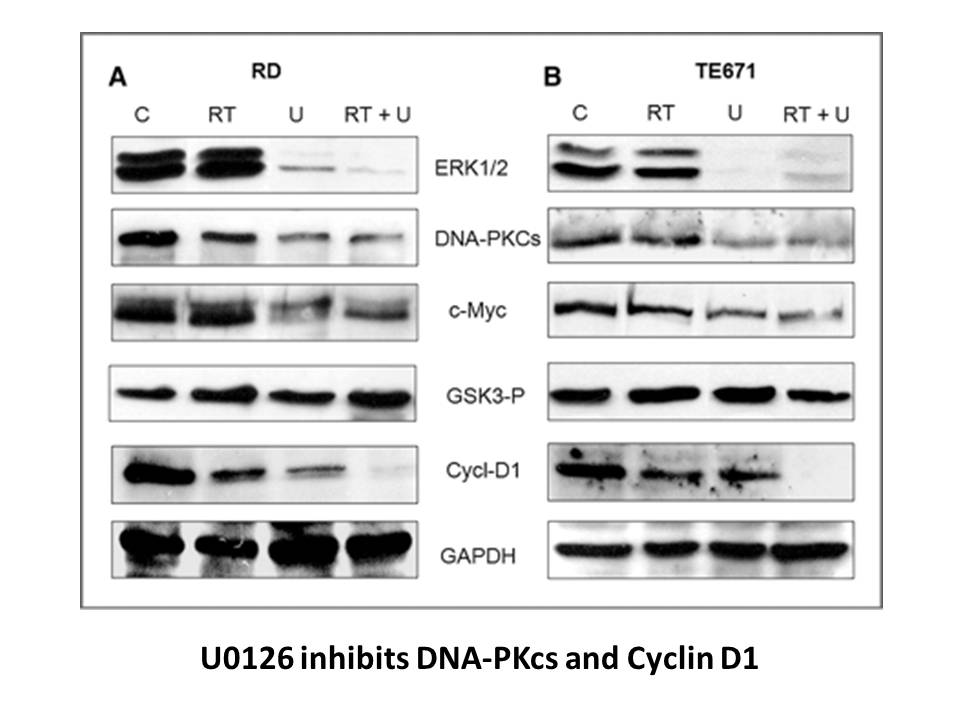
GK allosteric activators validate the importance of GK from a therapeutic perspective, but the nature of allosteric activation of GK remains unclear. The GK allosteric activator site, the pocket where GKAs bind, is ~20 Å remote from the active site (Fig. 1A). The allosteric site is the locus of many
-
Growth hormone secretagogue receptor GHSR is
2021-12-01
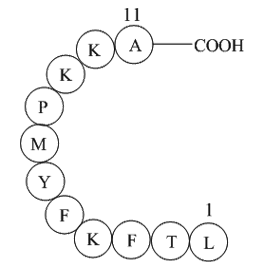
Growth hormone secretagogue receptor (GHSR) is a member of G-protein-coupled receptor family [3]. GHSR is predominantly expressed in human pituitary, rhypothalamus and hippocampus [4]. GHSR is also expressed in peripheral tissues including lungs, liver, kidney, and adrenal gland. In cardiovascular s
-
br Activators Many compounds are known to
2021-12-01

Activators Many compounds are known to influence the activity of Ca2+-activated K+ channels, and since hIK1 was cloned more insight has been gained on compounds that have the capacity to increase channel activity. Activation by divalent metal cations has been investigated, with Ca2+, Pb2+, Cd2+,
-
The role of cell to cell
2021-12-01
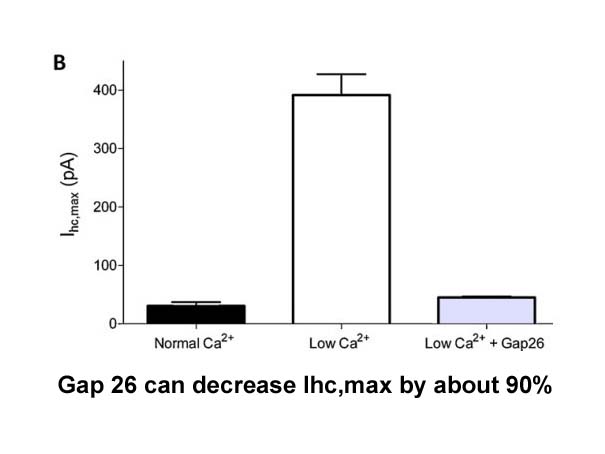
The role of cell-to-cell interactions in coordinating the cells’ behaviour to ensure an appropriate anterior pituitary hormone response is receiving increasing attention. Anterior pituitary D-(-)-Salicin interact with neighbouring cells through junctional complexes. As their name implies, the comple
-
PF-05212384 br Therapeutic approaches exploiting Cx function
2021-12-01
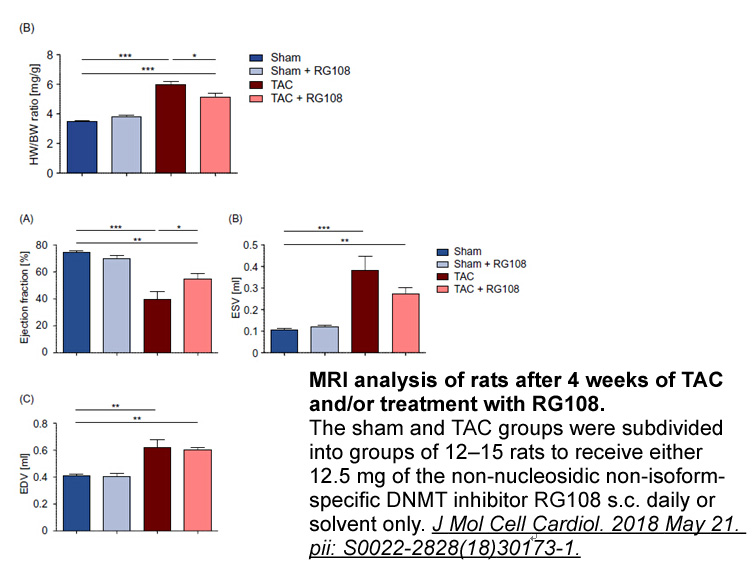
Therapeutic approaches exploiting Cx43 function Due to their potential role in cancer metastasis, attempts have been made to alter connexin function to inhibit cancer growth. Therapeutic approaches include Cx43 peptide mimetics, Cx43 inhibitors, chemical agents capable of enhancing Cx43 function,
-
With rare exceptions the biological role
2021-12-01
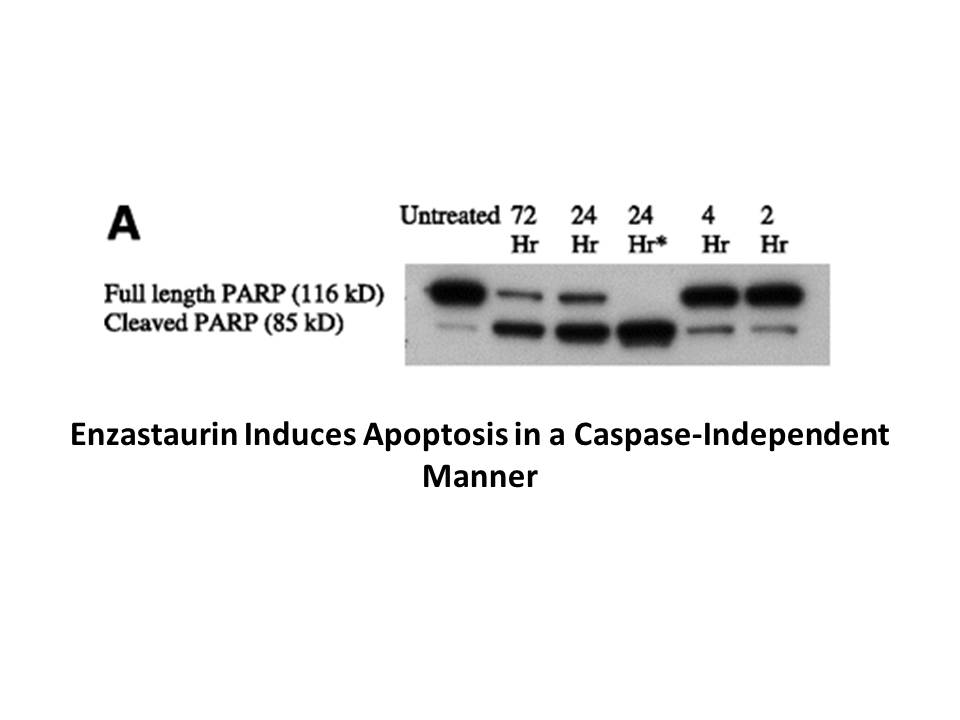
With rare exceptions, the biological role of γ-secretase cleavage of substrates other than Notch 1 has been ignored during proof of concept preclinical repurposing studies. For example, in the GSI AD trial, many individuals noted changes in hair color, apparently due to inhibition of tyrosinase, ano
-
In recent years many studies have demonstrated
2021-12-01
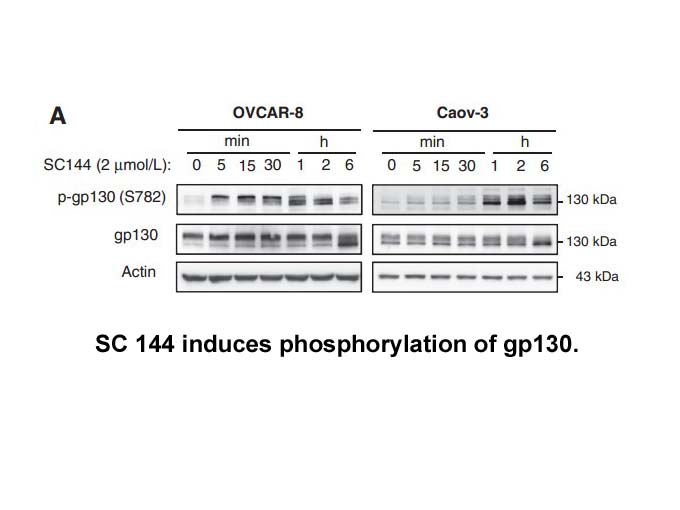
In recent years, many studies have demonstrated that the release of endogenous FPR ligands can influence severe diseases associated with inflammation, including systemic inflammatory response syndrome (SIRS)20, 21 and cancers, such as glioblastoma as well as gastric and colorectal cancer 22, 23, 24.
-
Recent studies in our laboratory demonstrated that
2021-12-01
Recent studies in our laboratory demonstrated that several histamine H1 receptor antagonists induce apo A-I gene expression while histamine itself represses it [20]. In humans, there are three histamine receptor genes (H1, H2, and H3) that code for G-protein-coupled receptors (GPCR's) which bind his
16339 records 554/1090 page Previous Next First page 上5页 551552553554555 下5页 Last page