Archives
- 2026-08
- 2026-07
- 2026-06
- 2026-05
- 2026-04
- 2026-03
- 2026-02
- 2026-01
- 2025-12
- 2025-11
- 2025-10
- 2025-09
- 2025-03
- 2025-02
- 2025-01
- 2024-12
- 2024-11
- 2024-10
- 2024-09
- 2024-08
- 2024-07
- 2024-06
- 2024-05
- 2024-04
- 2024-03
- 2024-02
- 2024-01
- 2023-12
- 2023-11
- 2023-10
- 2023-09
- 2023-08
- 2023-07
- 2023-06
- 2023-05
- 2023-04
- 2023-03
- 2023-02
- 2023-01
- 2022-12
- 2022-11
- 2022-10
- 2022-09
- 2022-08
- 2022-07
- 2022-06
- 2022-05
- 2022-04
- 2022-03
- 2022-02
- 2022-01
- 2021-12
- 2021-11
- 2021-10
- 2021-09
- 2021-08
- 2021-07
- 2021-06
- 2021-05
- 2021-04
- 2021-03
- 2021-02
- 2021-01
- 2020-12
- 2020-11
- 2020-10
- 2020-09
- 2020-08
- 2020-07
- 2020-06
- 2020-05
- 2020-04
- 2020-03
- 2020-02
- 2020-01
- 2019-12
- 2019-11
- 2019-10
- 2019-09
- 2019-08
- 2019-07
- 2019-06
- 2019-05
- 2019-04
- 2018-11
- 2018-10
- 2018-07
-
While published data around the functional significance
2021-12-09
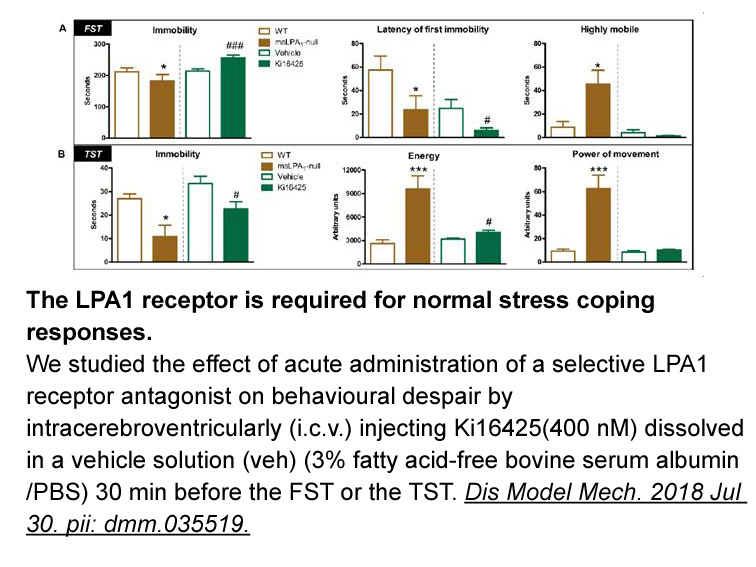
While published data around the functional significance of GPR84 are quite sparse, details of signaling pathways initiated by the receptor are even more limited, including in recombinant systems. In recombinant cells, GPR84 activation reportedly leads to Gi pathway activation, resulting in pertussis
-
GPR is a G protein coupled
2021-12-09

GPR55 is a G protein-coupled receptor that has pro-oncogenic properties and whose expression correlates with tumor aggressiveness and increased activation of extracellular signal-regulated kinase (ERK) cascade [12]. Elevated expression of GPR55 has been linked to aggressiveness in human pancreatic,
-
Several studies have found that GPR possesses a distinct pha
2021-12-09

Several studies have found that GPR55 possesses a distinct pharmacology from that of CB1 and CB2, and that only certain cannabinoids act at this receptor. In transfected Bromfenac Sodium expressing hGPR55, out of more than 20 synthetic and endogenous cannabinoids evaluated, only 2 compounds, SR1417
-
GPR is present primarily in the pancreas and
2021-12-09
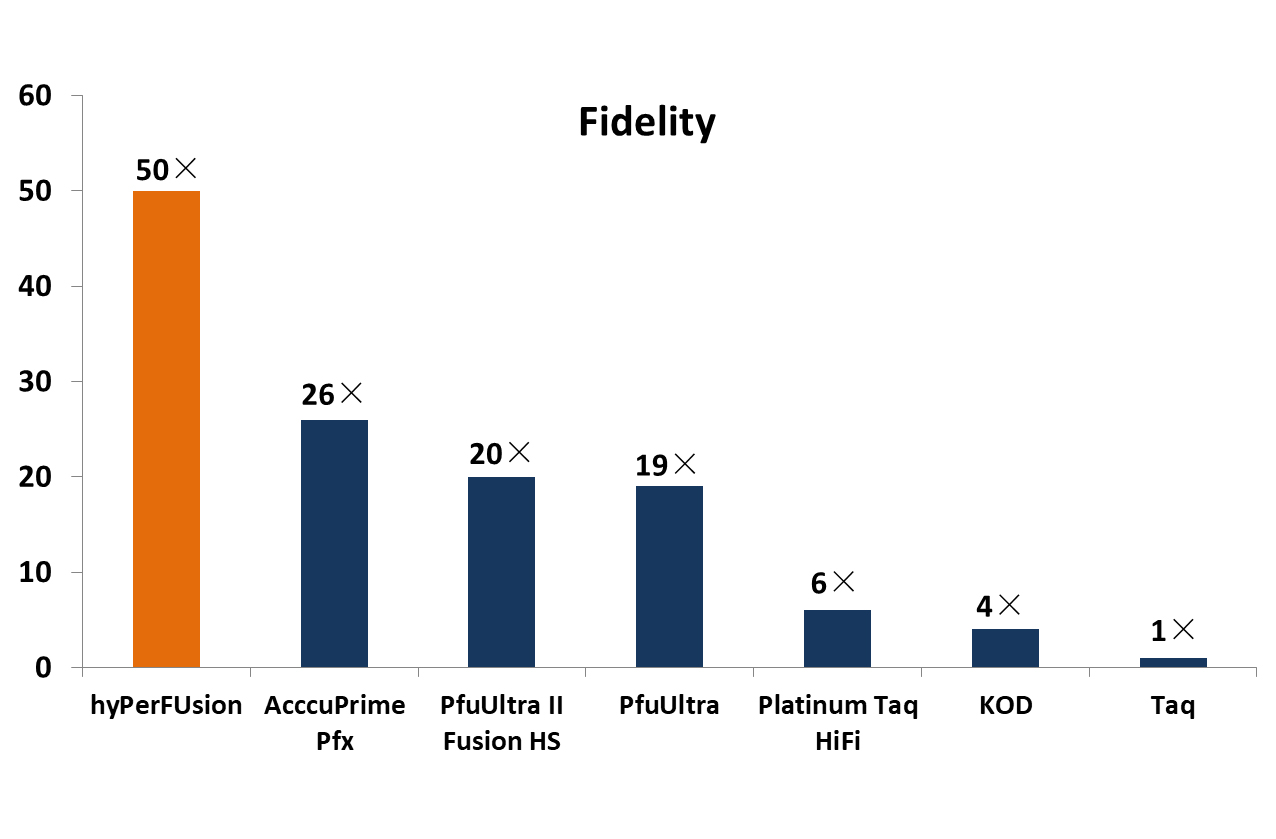
GPR119 is present primarily in the pancreas and the intestine. Activation of GPR119 increases insulin, GLP-1, GIP and PYY secretion. GPR119 agonists stimulate insulin release in a glucose-dependent manner. The glucose dependent insulin secretion (GIDS) mechanism makes GPR119 an attractive target for
-
To verify DNA glycosylase AP lyase activity
2021-12-09
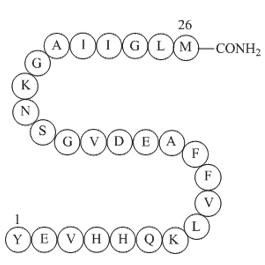
To verify DNA glycosylase/AP lyase activity we have employed a simple and efficient method to investigate based on fluorescein-labeled duplex oligonucleotides read on an automated sequencer (Allgayer et al., 2013, Lopes et al., 2007, Lopes et al., 2008). This approach using purified CpMutY proteins
-
In this report we characterized MRJP containing aggregates a
2021-12-09
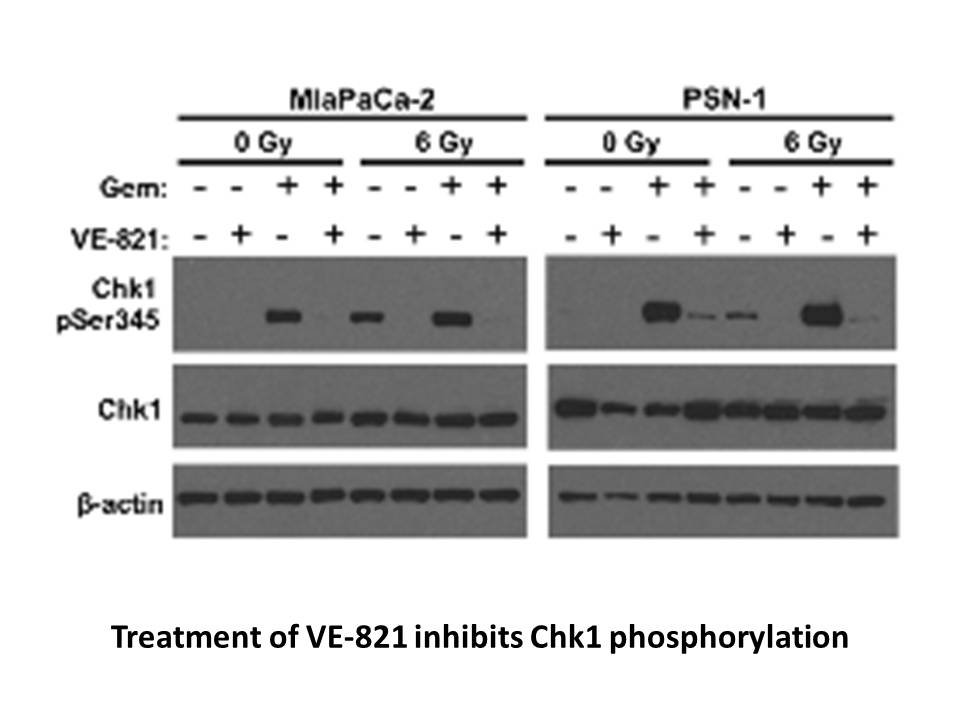
In this report, we characterized MRJP-containing 5 03 and other (glyco)proteins from honey. Honey glycoproteins demonstrated potent anti-C. elegans activity. It has been reported that molecules that kill C. elegans are likely to be toxic to parasitic nematodes (Burns et al., 2015). To examine molecu
-
To maintain low Glu concentrations in the
2021-12-09
To maintain low Glu concentrations in the synaptic cleft below the affinity of its receptors, this amino K-7174 is rapidly removed from the extracellular space by a family of sodium-dependent high-affinity transport systems located mainly in the plasma membrane of perisynaptic astrocytes, and in to
-
In the present study we characterized the expression of
2021-12-09

In the present study, we characterized the expression of glucose transporters in the developing and adult mouse lens and showed that GLUT1 is the primary transporter expressed in the lens epithelium. We found that mice with a homozygous deletion of Slc2a1 from the lens epithelium developed cataracts
-
RHPS4 br Introduction Glucose is the major carbon source
2021-12-09
Introduction Glucose is the major carbon source in most organisms. Cancer RHPS4 in particular require a steady source of energy to maintain growth and proliferation, and preferentially use glycolysis for their energy supply even under aerobic conditions. Glucose uptake in mammals is mainly mediat
-
In this study we investigated the contribution of GCK G
2021-12-09
In this study, we investigated the contribution of GCK, G6PC, and PCK expression to glycemia in diabetes. We examined liver tissue from 40 obese subjects: 12 had normal glucose tolerance (NGT) and 28 had type 2 diabetes. Materials and methods Results Discussion This study aimed to investig
-
It is generally considered that elevated blood glucose
2021-12-09
It is generally considered that elevated blood glucose due to insulin resistance is an important factor in islet compensation to high fat feeding [27]. However, we have shown recently that insulin resistance induced in mice by hydrocortisone injection provokes significant islet xanthine oxidase in
-
Liver is the house for
2021-12-09
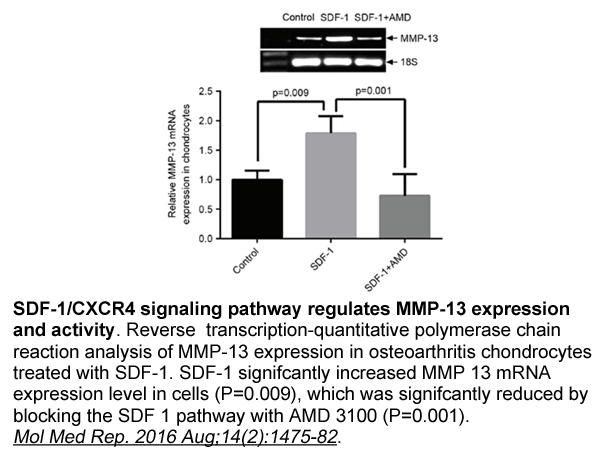
Liver is the house for a variety of xenobiotic-metabolizing NBI 27914 hydrochloride that produce reactive oxygen species as well as reactive metabolites (Johansson et al., 2009; Noh et al., 2017; Puntarulo and Cederbaum, 1998). When the enzymes act upon pre- or pro-haptens, the chemicals would be a
-
Cys loop GABA receptors are well
2021-12-09

Cys-loop GABA receptors are well-studied targets for insecticides and also play an important role in nematode biology. These receptors are also targets for the anthelmintic piperizine (Accardi et al., 2012). The nematode GABA receptor most studied is the UNC-49 receptor which plays a role in muscle
-
br The Farnesoid X receptor FXR identification and ligands T
2021-12-09
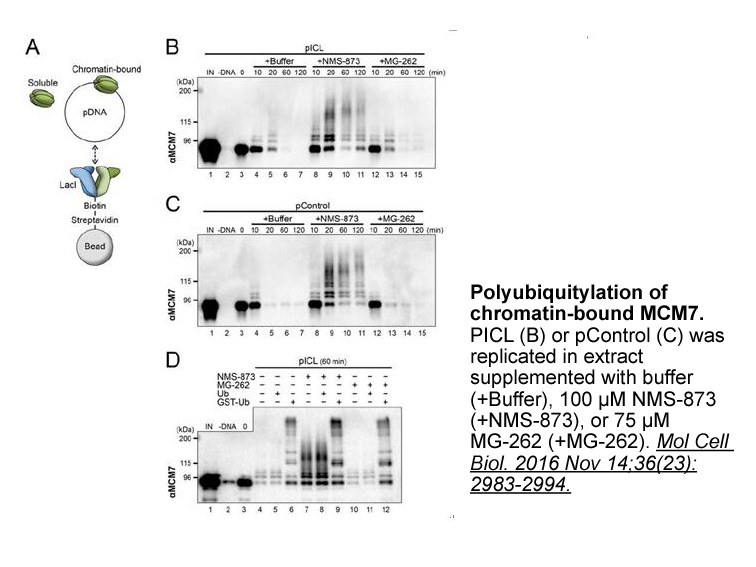
The Farnesoid X receptor (FXR): identification and ligands The Farnesoid X receptor (FXR) belongs to a family of proteins called Nuclear Receptors (NRs). NRs are a class of ligand-activated transcription factors, which transactivate networks of target genes, thereby mediating a wide range of phys
-
br Materials and methods br Acknowledgments We are
2021-12-09
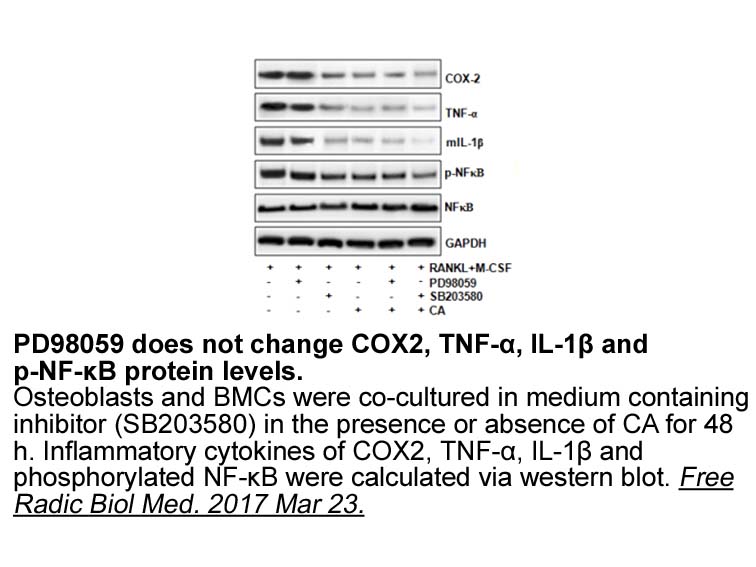
Materials and methods Acknowledgments We are grateful for financial support from the National Natural Science Foundation of China (Grants No. 81661148046 and 81773762, China) and the “Personalized Medicines—Molecular Signature-based Drug Discovery and Development”, Strategic Priority Research
16339 records 548/1090 page Previous Next First page 上5页 546547548549550 下5页 Last page